Introduction — scenario, data, question
I was on a packed morning bus in Kuala Lumpur, watching the driver glance at a tiny app that tracked charging stops, and I thought: this is where the rubber meets the road. In many transit depots today, a pantograph charger sits ready to top up buses between runs — but do operators really know which system fits their route, budget, and maintenance capacity? Recent trials show some urban fleets reduce downtime by up to 20% with optimized charging schedules (that’s a lot of lost hours saved, right?), while others struggle with inconsistent power delivery and control glitches. So how do we pick a pantograph charger that won’t cause headaches later — and what trade-offs should we expect from different designs?
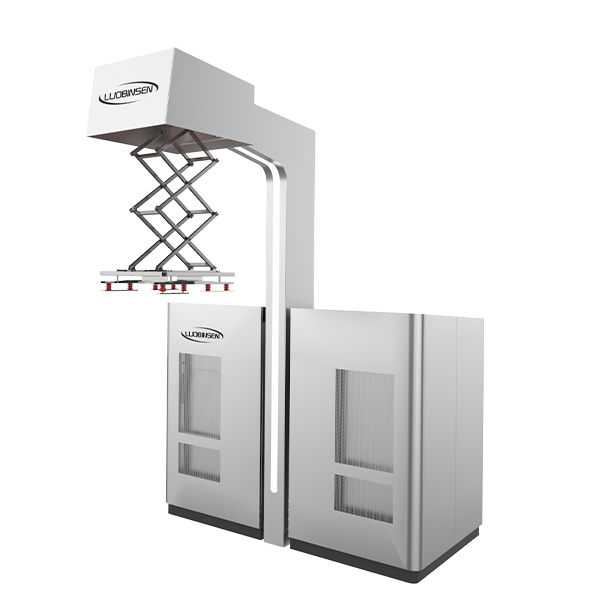
Why traditional systems stumble: hidden pains and technical gaps
pantograph charging system designs often promise reliability, but I’ve seen several recurring problems that operators rarely forecast. First, older setups depend heavily on bulky power converters and manual alignment, which raises maintenance costs and causes longer vehicle dwell times. Second, control systems with poor communication protocols can’t handle real-time adjustments — so when grid conditions shift, the charger and bus can’t negotiate fast enough. Third, the mechanical pantograph interface wears unevenly if vehicles approach at slight angles; that leads to early replacement of contact elements. Look, it’s simpler than you think: these are practical, fixable issues, but they require design choices up front.
So what exactly goes wrong?
From my hands-on checks, I find that contact wear, thermal stress in converters, and weak grid integration are the usual culprits. Operators often underestimate how important a robust communication link is (Modbus, OCPP variants, or custom CAN buses) — without it, load balancing and demand response are almost impossible. Also, many depots don’t plan for diagnostics access, so a small fault becomes a long outage. I feel strongly that early investment in modular power electronics and better diagnostic tools saves time and money over the equipment life. — funny how that works, right?
New principles for next-gen pantograph charging — what to expect
Looking ahead, I want to explain a few core principles that are changing how we design and choose chargers. First: modularity. By using modular power converter units and standardized pantograph stacks, maintenance becomes predictable and spare parts cheaper. Second: smart control. Integrating edge computing nodes and adaptive control algorithms lets chargers react to grid signals and vehicle state-of-charge in real time. Third: interoperability. If your electric bus charging station supports open communication protocols, you gain flexibility across vehicle types and fleet managers. These ideas aren’t just marketing; they deliver measurable uptime improvements when implemented well.
What’s next for fleets?
In practice, I advise piloting one or two of these principles in a controlled depot before scaling. Try a modular power converter approach on a subset of chargers, or add an edge compute layer to one bay to test smarter scheduling. You’ll see the impact on dwell time and maintenance logs quickly. I’ve helped teams run such pilots — and the results often surprise them (slightly happier mechanics, fewer emergency callouts). My personal take: aim for incremental upgrades that compound over three to five years, not a big-bang replacement.
Choosing with confidence — three metrics to evaluate
To wrap up, here are three practical metrics I use when recommending pantograph solutions. First, mean time to repair (MTTR): shorter is better, and modular designs tend to cut MTTR significantly. Second, usable uptime per vehicle per day — this shows whether charging strategy actually fits your schedule. Third, communication resilience: test the system under simulated network faults and see if it maintains safe charge sessions. Use these together; they tell a more honest story than price alone. — and yes, I know budgets bite, but you get what you pay for.
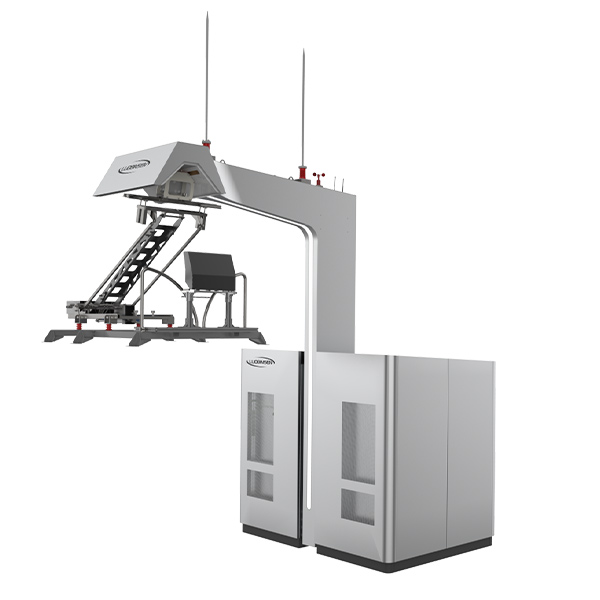
Finally, if you want a real-world reference point, look at modern depot projects where the electric bus charging station concept is paired with modular converters and smart scheduling — those are the ones delivering steady operations. We’ve been part of several such evaluations, and I stand by the approach: plan for serviceability, insist on clear protocols, and pilot before you buy. For further technical details and product options, you can check Luobisnen for supplier information: Luobisnen.
